Men’s Hormone Health & Testosterone Optimization in Fairfield, CT: Why a Board-Certified Endocrinologist Makes All the Difference
Men’s Hormone Health & Testosterone Optimization in Fairfield, CT
Are you experiencing unexplained fatigue, difficulty losing weight despite diet and exercise, low libido, muscle loss, brain fog, or mood changes? These symptoms may signal hormonal imbalances — and you deserve answers from a specialist who truly understands male hormones.
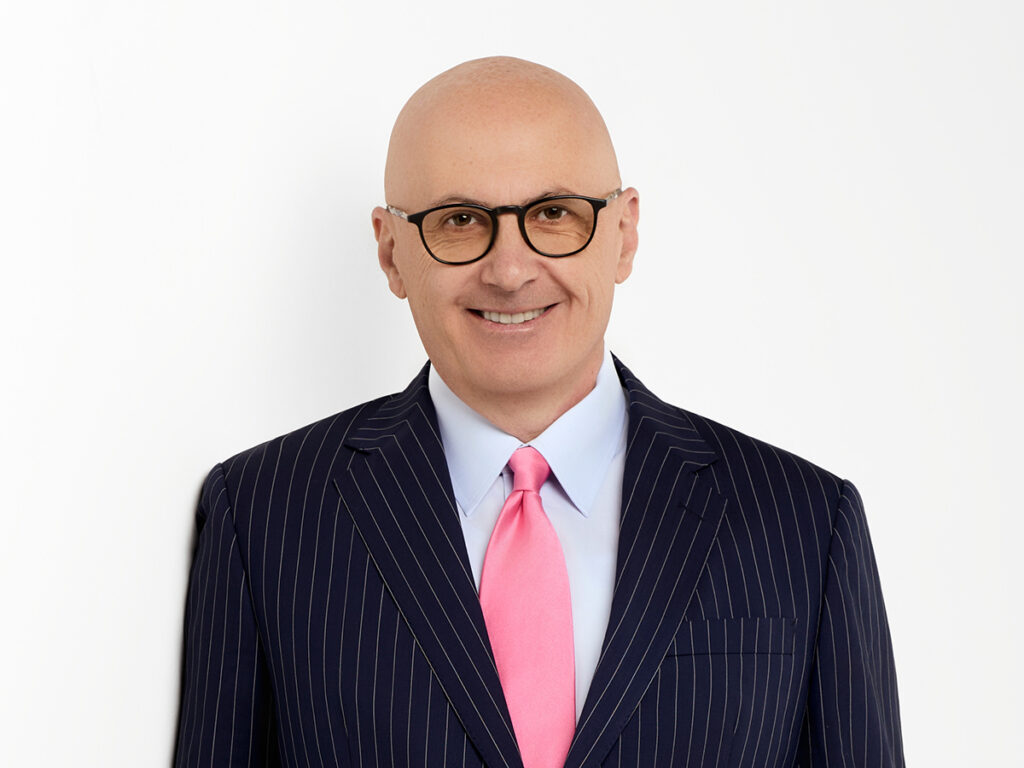
Dr. Michael Duben is a board-certified endocrinologist with over 20 years of experience specializing in men’s hormone health. Unlike most wellness clinics and low-T centers offering testosterone therapy, Dr. Duben brings the expertise of formal endocrinology training from Mount Sinai and Albert Einstein School of Medicine, combined with full functional medicine training through the Institute for Functional Medicine (IFM). This allows him to blend the precision of traditional endocrinology with a whole-body, root-cause methodology — and a full spectrum of treatment options that most testosterone clinics simply cannot offer.
Call 203-760-5544 to schedule your comprehensive hormone evaluation.
🎧 Prefer to listen? Hear Dr. Duben discuss low testosterone and hormone optimization on the Listen page →
—
Why See an Endocrinologist — Not a Low-T Center — for Testosterone Therapy?
Hormones are complex. Testosterone doesn’t exist in isolation — it interacts with thyroid hormones, cortisol, insulin, growth hormone, and more. Most clinics treating low testosterone are run by practitioners without endocrinology training. Their business model is straightforward: sell testosterone. Anybody who walks through the door ends up on testosterone, because that’s how money is made. There’s nothing wrong with making money — but the question is how.
These clinics may prescribe testosterone without fully evaluating your entire hormonal system, potentially missing critical underlying issues. They virtually never check pituitary function — which is often the actual root cause of low testosterone. And they never address the aspects of your health and lifestyle that directly drive testosterone levels: stress, sleep, nutrition, exercise, weight, and relationships.
As a board-certified endocrinologist, Dr. Duben evaluates your complete hormonal picture before deciding on any treatment:
- Testosterone levels — total and free testosterone by mass spectroscopy (the gold standard), drawn early in the morning around 8 AM for accuracy
- Sex hormone-binding globulin (SHBG) — the protein that binds testosterone and makes it inactive. Free testosterone is what actually does the biological work — and its concentration is incredibly small (one in a trillion), requiring the best equipment and methodology to measure accurately
- Pituitary function (LH and FSH) — these hormones tell you where the problem actually is. If LH and FSH are elevated, the problem is in the testicles. If they’re normal or low, the problem is in the pituitary. This distinction changes the entire treatment approach — and most low-T centers never check it
- Prolactin — should not be elevated in men. If it is, it can be a direct cause of low testosterone. Sometimes a pituitary tumor (always benign) or certain medications are responsible
- Thyroid function (TSH, Free T3, Free T4, and more) — low thyroid can mimic low testosterone symptoms entirely
- Metabolic markers (insulin sensitivity, blood sugar regulation) — insulin resistance and metabolic dysfunction lower testosterone naturally
- Other hormones that impact male vitality (DHEA, estradiol)
Interpreting this data is both art and science. A big part of endocrinology training is understanding how labs are actually produced and what they truly mean. Many doctors take labs at face value — but you need to know how the sausage is made before you issue advice. That expertise is a very important part of traditional endocrine training, and it’s what separates a board-certified endocrinologist from a low-T clinic.
—
Common Symptoms of Low Testosterone & Hormone Imbalances in Men
Many men suffer silently, assuming symptoms are “just part of aging.” That’s not true. Hormone optimization can restore your energy, strength, and quality of life.
Physical Symptoms: Persistent fatigue and low energy, difficulty building or maintaining muscle mass, increased body fat (especially around the midsection), reduced strength and endurance, and loss of bone density.
Mental & Emotional Symptoms: Brain fog and difficulty concentrating, mood swings, irritability or depression, decreased motivation and drive, and poor sleep quality.
Sexual Health Symptoms: Low libido (reduced sex drive), erectile dysfunction, and reduced sexual performance. It’s important to note that in some men, there’s nothing wrong with their testosterone at all — medications like Viagra or Cialis can be far more effective specifically for erections than any testosterone would be. Proper evaluation determines which approach is right.
Metabolic Symptoms: Difficulty losing weight despite diet and exercise, insulin resistance or prediabetes, and high cholesterol.
If you’re experiencing three or more of these symptoms, hormone imbalances may be the underlying cause.
Call 203-760-5544 to book your consultation.
—
The Root Causes Most Doctors Miss: Sleep, Stress, Diet, and the Pituitary
Dr. Duben’s approach starts where most practitioners stop — with a genuinely long and detailed conversation. Your initial consultation is 60-90 minutes, face to face. This alone sets Restore Health apart from every low-T center and most doctors’ offices.
Sleep is overlooked badly in men’s health. Poor sleep and sleep deprivation are among the biggest killers of testosterone — yet most men never discuss sleep quality with their doctor. Dr. Duben evaluates sleep patterns, screens for obstructive sleep apnea (which directly suppresses testosterone), and addresses sleep hygiene strategies that no one else takes the time to discuss.
Stress is equally destructive. Chronic stress directly suppresses testosterone production. It’s an evolutionary response — when your body is under siege, it channels resources toward survival, not reproduction. Men who are business owners, general contractors, or anyone running their own operation under constant financial and operational pressure often have tanked testosterone purely from stress. But this goes entirely undiscussed at most doctors’ offices.
Diet matters more than most men realize. The Standard American Diet creates constant ongoing inflammation — a major topic in functional medicine. Inflammation caused by food starts in the gut and spills elsewhere, affecting the brain, the gut microbiome, mood, hormones, and hormone metabolism. Everything in the human body affects everything else.
The pituitary gland is where it all comes together. The pituitary is the master gland at the base of the brain that controls testosterone production. It’s affected by stress, sleep deprivation, obesity, uncontrolled diabetes, and other chronic conditions. In many men, the root cause of low testosterone isn’t below the waist — it’s in the brain. The pituitary is being suppressed by one or more of these factors, and the testicles are simply following orders.
If you inject testosterone without identifying and addressing the pituitary issue, you’re putting a band-aid on a broken bone — and you’re suppressing your body’s own production in the process, potentially making yourself dependent on testosterone therapy for life.
—
Treatment Options: The Full Spectrum, Tailored to You
Dr. Duben doesn’t believe in one-size-fits-all protocols. Once a comprehensive evaluation identifies the root cause of your hormonal imbalance, treatment is tailored specifically to your situation. This may include any combination of the following:
To accelerate recovery and support joint health during hormone optimization, we often integrate Peptide Protocols such as BPC-157 — a regenerative peptide with growing evidence for tissue repair and musculoskeletal support.
Pituitary Stimulation with Clomiphene (Clomid)
When the pituitary is the root cause of low testosterone — and it often is — the most elegant approach is not to inject testosterone but to wake up the pituitary. Clomiphene is a very affordable, generic, widely available medication that women use to stimulate ovulation. In men, it stimulates the pituitary gland to increase its own signaling to the testicles, naturally raising testosterone levels.
Used at low doses (much lower than in women) on an every-other-day schedule to mimic the body’s natural pulsatile hormone release, clomiphene can normalize testosterone while preserving your body’s own production. This is the key advantage over direct testosterone therapy: once you start testosterone, your own production goes down, and if you take it for a long time, your own production may be diminished for a very long time — or permanently. Clomiphene avoids this trap entirely.
When combined with lifestyle improvements — better diet, exercise, sleep, and stress management — many men can eventually be weaned off the medication while maintaining healthy testosterone levels naturally. Side effects are minimal, typically limited to occasional breast tenderness.
Natural Substances for Testosterone Support
Dr. Duben’s functional medicine training opened his eyes to something that traditional medical education never addressed: many vitamins, supplements, and botanicals are actually very useful and scientifically proven to be effective. These are not random supplements grabbed off a shelf — they are carefully selected based on each patient’s individual evaluation, hormonal profile, and goals:
- Ashwagandha — an adaptogen with published evidence supporting its role in reducing stress, improving resilience, and supporting healthy testosterone levels. Also helpful for sleep and relaxation
- Shilajit — a mineral-rich natural substance with research suggesting benefits for testosterone levels, energy, and mitochondrial function
- L-Carnitine — an amino acid derivative that plays a role in energy metabolism, with studies examining its effects on androgen receptor density and sperm quality
- Maca Root — a Peruvian adaptogen traditionally used for energy and libido, with clinical studies supporting its effects on sexual function and well-being
- Fadogia Agrestis — a plant extract with emerging research suggesting it may support luteinizing hormone (LH) production, which signals the testicles to produce testosterone
- Tongkat Ali (Eurycoma longifolia) — one of the more well-studied natural testosterone-supporting herbs, with published trials showing improvements in testosterone levels, stress hormones, and body composition
These are never a replacement for proper diagnosis and are always part of a comprehensive, individualized plan. This is what separates a board-certified endocrinologist with functional medicine training from a supplement store or a low-T clinic.
Testosterone Replacement Therapy — When It’s Truly Needed
Of course, many men genuinely need testosterone replacement therapy, and Dr. Duben prescribes it when appropriate. Not every case can be resolved with pituitary stimulation, natural support, or lifestyle changes alone. When testosterone is truly and irreversibly low, replacement therapy is the right answer.
There are two important categories to understand. Testosterone replacement is for when testosterone is genuinely low and needs to be brought back to normal. Testosterone optimization is for when it’s not really low, but “low-ish,” and you want it higher — a different situation with different considerations.
Dr. Duben offers multiple forms:
- Testosterone gels/creams
- Testosterone injections
- Oral testosterone (a newer option for select patients)
The pros and cons of each are discussed thoroughly. The difference from a low-T center is that you’ll receive testosterone therapy with the oversight of a fellowship-trained endocrinologist who monitors your entire hormonal system — not just your testosterone number.
Comprehensive Lifestyle Optimization
Regardless of which treatment path is right for you, the foundation remains the same: diet, exercise, sleep, stress management, and relationships. Dr. Duben addresses all of these — including nutritional deficiencies in vitamin D, zinc, magnesium, and other nutrients that directly impact testosterone production — and uses targeted magnesium-based supplements and sleep hygiene strategies to optimize recovery. None of these foundational elements are addressed at a typical low-T center.
—
Beyond Testosterone: Thyroid, Stress, and Metabolic Health
Many men have multiple hormonal imbalances that need to be addressed together for optimal results. Dr. Duben evaluates and treats the full picture:
Thyroid Optimization: Low thyroid function can perfectly mimic low testosterone symptoms — fatigue, weight gain, brain fog, depression. Dr. Duben evaluates thyroid function comprehensively (not just TSH) and optimizes thyroid hormones when needed.
Stress & Adrenal Health: Chronic stress suppresses testosterone production and sabotages overall health. Dr. Duben evaluates stress-related hormonal disruption and provides strategies to restore balance — including adaptogenic supplements like ashwagandha and targeted lifestyle modifications.
Metabolic Health & Weight Loss: Insulin resistance and metabolic dysfunction lower testosterone naturally. Dr. Duben addresses blood sugar regulation, inflammation, and metabolic health to support long-term hormone balance and sustainable weight loss.
—
Your First Visit: What to Expect
Comprehensive Hormone Evaluation
During your initial consultation, Dr. Duben will:
- Conduct a thorough medical history review — including symptoms, lifestyle factors, medications, and past lab work
- Perform a complete physical examination — assessing signs of hormonal imbalance
- Order comprehensive lab testing — measuring testosterone (total and free by mass spectroscopy), SHBG, LH, FSH, prolactin, thyroid, metabolic markers, and more
- Discuss your health goals — whether it’s regaining energy, building muscle, losing weight, or improving sexual health. Both pros and cons of all treatment options are discussed openly
- Create a personalized treatment plan — which may include pituitary stimulation with clomiphene, natural supplements, testosterone therapy, lifestyle modifications, or a combination — all tailored to what your labs and symptoms actually require
Follow-Up Care
Hormone therapy isn’t “set it and forget it.” Dr. Duben provides ongoing monitoring to ensure testosterone levels are optimized (not just “normal”), side effects are minimized, other hormones remain in balance, and you’re achieving your health goals.
—
Who Benefits from Men’s Hormone Optimization?
Dr. Duben works with men of all ages experiencing hormonal imbalances, including:
- Men over 40 noticing changes in energy, strength, libido, or body composition
- Athletes and fitness enthusiasts struggling with muscle loss or performance decline
- Men with metabolic issues — prediabetes, insulin resistance, weight gain
- Men with chronic fatigue or low energy despite adequate sleep
- Men with sexual health concerns — low libido, erectile dysfunction
- Men diagnosed with low testosterone elsewhere who want expert endocrinology oversight
- Men currently on testosterone from a low-T center who want a more comprehensive, root-cause evaluation
- Men seeking preventive optimization to maintain vitality as they age
—
Why Choose Restore Health LLC?
Board-Certified Endocrinologist: Dr. Duben is a board-certified endocrinologist with over 20 years of experience — not a general practitioner or wellness clinic operator. Endocrinology is the medical specialty dedicated to hormones.
Functional Medicine Training: Full training through the Institute for Functional Medicine (IFM), combining the precision of endocrinology with a root-cause, whole-body approach.
Time & Attention: Your initial visit is 60-90 minutes — not a rushed 15-minute appointment. You’ll have time to ask questions, discuss concerns, and truly partner in your care.
Full Spectrum of Treatment Options: Pharmaceutical pituitary stimulation (clomiphene), scientifically-supported natural supplements (ashwagandha, shilajit, L-carnitine, maca root, Fadogia agrestis, Tongkat Ali), testosterone replacement therapy when truly needed, and comprehensive lifestyle optimization — all individualized to your specific situation.
Transparent Pricing: No surprise bills. No insurance hassles. Pricing is discussed upfront and is very reasonable by today’s standards.
In-Office & Telehealth: Conveniently located in Fairfield, CT, with HIPAA-compliant telehealth available for patients across Connecticut and beyond.
—
Frequently Asked Questions
Is testosterone therapy safe?
When prescribed and monitored by a qualified endocrinologist, testosterone therapy is safe and effective. Dr. Duben monitors your levels closely, checks for side effects, and adjusts treatment as needed.
How long does it take to feel results?
Most men notice improvements in energy, mood, and libido within 4-6 weeks. Physical changes like muscle gain and fat loss typically take 3-6 months.
Will I need testosterone therapy forever?
Not necessarily. Some men have reversible causes of low testosterone — obesity, sleep apnea, pituitary suppression, certain medications. Dr. Duben investigates root causes first and may use pituitary stimulation with clomiphene or natural support to restore your own production, potentially avoiding lifelong testosterone dependence.
What about natural supplements — do they actually work?
Some do, with published clinical evidence to support them. Dr. Duben uses substances like ashwagandha, Tongkat Ali, shilajit, and others when the evidence supports their use for a specific patient’s situation. They are never a replacement for proper diagnosis and are always part of a comprehensive, individualized plan.
How are you different from a low-T center?
A low-T center’s business model is to sell testosterone. Dr. Duben’s approach is to find out why your testosterone is low, address the root cause, and use the most appropriate treatment — which may or may not include testosterone. He evaluates pituitary function, thyroid, metabolic health, and lifestyle factors that low-T centers ignore entirely. And he offers treatment options they don’t — including clomiphene for pituitary stimulation and scientifically-supported natural substances.
Do you accept insurance?
No. Restore Health LLC is a cash-pay practice, which allows Dr. Duben to spend the time needed to provide truly personalized care. Standard lab tests are typically covered by your insurance. You’re welcome to submit receipts for potential out-of-network reimbursement.
—
Watch: Dr. Duben Discusses Men’s Hormone Health on the Natural Nutmeg Podcast
In this in-depth interview with Dr. Diane Hayden of Natural Nutmeg magazine, Dr. Duben discusses his journey from traditional endocrinology to functional medicine, why the root-cause approach matters for men’s hormone health, the difference between testosterone replacement and optimization, why most low-T centers miss the real problem, and the importance of comprehensive lab testing.
Full Podcast Transcript
The following is an edited transcript of Dr. Michael Duben’s interview with Dr. Diane Hayden on the Natural Nutmeg podcast.What Is a Functional Endocrinologist?
Dr. Hayden: What is a functional endocrinologist? How is that different from traditional endocrinology, and how did you make that transition? Dr. Duben: Functional medicine is a wider approach than traditional medicine. Traditional medicine is actually a part of functional medicine, but the difference is that functional medicine attempts to look at and address root causes of disease — not simply manage chronic symptoms. One of the issues with traditional medicine is that chronic diseases like diabetes, hypertension, and hormonal deficiency are rarely reversed. Moreover, there’s usually not even an attempt to do so. The difference with functional medicine is that you look at a much broader and deeper picture of what’s going on with a patient. You address not only the symptoms at hand but the entire lifestyle. For example, if you’re dealing with diabetes, you don’t only assess medications — you take a very detailed look at dietary history, various stressors and what can be done about them, and sleep, which is super important. Sleep is such a disruptor and such a cause for stress, which then downstream causes hormonal disruption. You also look at habits, exercise, relationships, even spiritual aspects of a person’s life, and you try to put it all together in a holistic approach. You don’t simply tweak medicines — you try to go deeper. And often, not always, but often you’re able to either completely eliminate or reverse a disease, or at the very least substantially improve it.Dr. Duben’s Journey from Traditional to Functional Medicine
Dr. Duben: My own personal journey was a slow evolution. I’m trained as a traditional Western medicine doctor, and I am very grateful for being trained at absolutely wonderful, esteemed institutions. A lot of people who trained me were people with national and international stature. I learned an incredible amount from them. But very early on, I started noticing limitations in the traditional approach. The first one for me was a huge discrepancy between the recommended diet for diabetics — which at the time was the food pyramid that essentially encouraged people to eat all the wrong foods — and what the published medical literature actually showed. During my training, we had to present major topics every six months in front of the entire department — professors, the chairman, the program director — people with combined experience literally measured in centuries. You had to be ready. My topic was low-carb versus low-fat diet. I delved into the published medical literature, and to my amazement, the lion’s share of studies clearly showed the benefit of a low-carbohydrate, high-protein diet versus a typical low-fat, high-carb diet — whether you looked at cholesterol, blood sugar, or weight loss outcomes. That was the first interesting red flag: Why are all these esteemed societies recommending things that are not correct based on their own literature? As years went by, this realization was confirmed again and again. I also remembered something from medical school — the chairman of surgery lectured us on how to examine a patient and said that 70 to 80 percent of diagnosis comes from talking to a patient. Throughout the years, that completely panned out. But the regular insurance model simply does not allow you the time to do that. So I realized the deficiencies in both training and the insurance-based model. I started hearing about alternatives. My initial reaction was to dismiss it, but I kept hearing about functional medicine from people I respected. Eventually I decided to look into it, and what I saw looked very promising. I completed the full Institute for Functional Medicine course — seven modules — and what I learned was tremendous. I also realized that many things I had considered probably useless — vitamins, supplements, botanicals — are actually very useful and scientifically proven to be so. That’s something they didn’t teach in medical school, residency, or fellowship.The Hybrid Approach: Combining Traditional Endocrinology with Functional Medicine
Dr. Duben: What I’m offering patients is a hybrid — my training in endocrinology and laboratory science combined with an additional level of knowledge: probiotics, targeted vitamins, natural substances, specialized diets, and everything else that goes beyond traditional medications. And time. My practice is not insurance-based. It’s strictly fee-for-service so that I can actually spend time with people, talk to them, and address all of their concerns. I encourage patients to bring questions they’ve read about online. I can offer a different perspective because most people don’t have the training or expertise to evaluate medical claims — but I do, and I can explain why something is correct or incorrect.Men’s Health: Testosterone, Hormones, and the Root-Cause Approach
Dr. Hayden: Let’s talk about men’s health — a topic nobody’s really talking about. Typically, men are the last people to go to the doctor. How do you treat men’s health from the standpoint of hormone replacement and testosterone? Dr. Duben: As always, it starts with a very long and detailed conversation — and that right off the bat is something that usually doesn’t happen. Most primary care doctors would just order a total testosterone, and not necessarily using the best available methodology. I do a detailed dive into what’s going on: all the comorbidities involved, the nature of the symptoms. Sleep is overlooked so badly in men. Poor sleep and sleep deprivation are a huge killer of testosterone — it lowers testosterone like crazy, as does any stress. I explore the symptoms in depth. With erectile dysfunction, for example: Are there spontaneous erections at night? Is there a lack of interest, or is libido okay but erections are not? In many men it’s both. I look at weight, eating habits, stress levels — everything in the human body affects everything else. I’ve had fairly young men — business owners, general contractors running their own businesses — they barely sleep, they’re stressed through the roof. That alone, even if you’re otherwise healthy, can tank your testosterone. But this just goes entirely undiscussed at most doctors’ offices.Why the Standard American Diet Destroys Hormone Health
Dr. Duben: What people eat — the Standard American Diet — creates constant ongoing inflammation. That’s a big topic in functional medicine. Inflammation often caused by food starts in the gut and spills elsewhere. It affects your brain, your gut microbiome, your mood, your hormones, and your hormone metabolism. Everything is interrelated. Are you obese? Do you have obstructive sleep apnea? That affects sleep, which affects testosterone. All of these factors need to be evaluated together.Testosterone Replacement vs. Testosterone Optimization: What’s the Difference?
Dr. Duben: You have to differentiate. In some men, there’s nothing wrong with their testosterone — medications like Viagra or Cialis can do wonders and are much more effective specifically for erections than testosterone would be. If there is testosterone deficiency, you have two categories. Testosterone replacement is for when testosterone is genuinely low and needs to be brought back to normal. Testosterone optimization is for when it’s not really low, but “low-ish,” and you want it higher. That’s a different situation, and you need to be clear about both the benefits and the potential downsides. Very often, you don’t need testosterone at all — you need a medication that stimulates your pituitary gland. The pituitary is the master gland at the base of the brain that controls all other glands. It’s affected by stress and chronic disease. So often the root cause of low testosterone isn’t below the waist — it’s in the brain. Whether it’s stress, sleep deprivation, chronic disease, or obesity — the pituitary suffers. The most elegant approach is not to just apply testosterone, but to wake up the pituitary while addressing all the lifestyle issues simultaneously.Clomiphene: A Smarter Alternative to Testosterone Injections
Dr. Duben: There’s a very cheap, generic, widely available medication called clomiphene — women use it to stimulate ovulation. In men, it can wake up the pituitary. If the issue is there, testosterone normalizes, and then if you improve your lifestyle, you can wean someone off. The disadvantage of starting testosterone directly is that once you start it, your own production goes down. If you take it for a long time, your own production may be diminished for a very long time — or forever. So one has to be careful. I had a patient — about six feet tall, 260 pounds, fatigue, lethargy, testosterone around 190 (lower limit of normal is 250). His wife convinced him to eat well and take care of himself. He lost 70 pounds — almost bariatric-surgery-level achievement — went to the gym, and his testosterone almost normalized. It went up to 256. Then he slacked off, it dropped a little, and he went to a low-T center where they put him on $700-per-quarter testosterone injections. Now he’s over-replaced and not even much better off. Instead, this man is a perfect candidate for clomiphene to stimulate his pituitary, coupled with continued diet and exercise. He’ll normalize his testosterone naturally.Why Low-T Centers Don’t Address the Real Problem
Dr. Duben: The foundation is diet, exercise, sleep, and relationships. None of those things are addressed when you go to a low-T center. That’s not their business model. The business model is to sell you testosterone. So anybody who walks through the door will end up on testosterone, because that’s how money is made. There’s nothing wrong with making money — but the question is how.Supplements for Sleep, Stress, and Hormone Health
Dr. Hayden: What about supplementation? Are there specific supplements you typically use? Dr. Duben: It depends. There are magnesium-based supplements for sleep. Some help with falling asleep, some help people who fall asleep fine but wake up in the middle of the night. But you also need to discuss sleep hygiene — which no one does. We talk about the best strategies for winding down before bed. People are on their phones all the time and there’s no way to take care of your health like that. There are also supplements like ashwagandha that help with stress and relaxation. But sometimes just talking about these issues — just having that conversation — a light bulb comes on. If you stress the importance several times, people get it. They’ll make changes if they want to help themselves. It’s just that this conversation doesn’t take place at a typical low-T center.The Right Blood Tests for Testosterone: What Your Doctor Should Be Ordering
Dr. Hayden: What blood tests do you run? Most doctors just look at total testosterone, right? Dr. Duben: The bare minimum is:- Total testosterone by mass spectroscopy — the gold standard and most accurate method, drawn early in the morning around 8 AM
- Free testosterone — this is what actually does the biological work. Total testosterone is just the reserve, but it’s the free-floating, unattached testosterone that matters. The concentration is incredibly small — one in a trillion — so you need the best equipment and methodology
- Sex hormone-binding globulin (SHBG) — the protein that binds testosterone and makes it inactive
- LH and FSH — the pituitary hormones that tell you where the primary problem is. If pituitary hormones are elevated, the problem is in the testicles. If they’re normal or low, the problem is in the pituitary
- Prolactin — should not be elevated in men. If it is, it can be a cause of low testosterone. Sometimes a pituitary tumor (always benign) or certain medications are responsible